
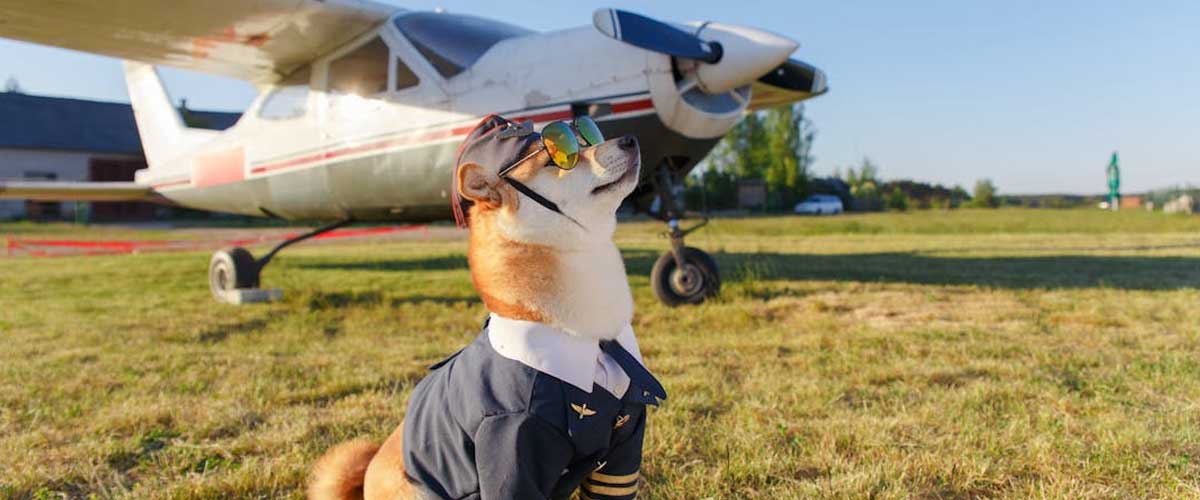
As travel continues to thrive, airports around the world are adopting innovative measures to enhance passenger experience and safety.
One of the most heartwarming and effective strategies has been the introduction of airport dogs.
These four-legged friends are not just there to look cute; they serve a multitude of purposes that benefit travelers and airport staff alike.
A Friendly Face in a Busy Environment
Airports can be overwhelming, especially for first-time flyers or those dealing with flight delays.
Anxiety levels often rise in bustling terminals, making passengers feel stressed and isolated.
Enter the airport dog—these specially trained canines provide comfort and companionship, helping to alleviate tension during stressful travel experiences.
With their wagging tails and friendly demeanor, they act as a distraction and a source of joy for travelers waiting for their flights.
Security and Safety on the Ground
Beyond their role in providing emotional support, many airport dogs are also trained to support security efforts.
Detection dogs are employed in various capacities, such as sniffing for explosives, drugs, or other contraband.
These highly trained dogs perform vital work, often paired with their handlers to ensure the safety of passengers and crew.
Their keen sense of smell is instrumental in identifying potential threats, making airports safer environments for everyone.
Therapy in Terminal
Many airports have implemented therapy dog programs that focus on providing emotional support rather than security functions.
These programs involve volunteers and their friendly dogs visiting terminals to interact with passengers.
The presence of therapy dogs has been shown to reduce stress, lower blood pressure, and even enhance overall mood.
Travelers can take a moment to pet and play with these dogs, providing a welcome reprieve from the often hectic travel experience.
Training and Selection
The dogs utilized in both security and therapy roles undergo specialized training.
For therapy dogs, the process often involves socialization in busy environments, obedience training, and certification programs that ensure they are well-suited for public interaction.
For detection dogs, training is more rigorous, focusing on scent detection skills and specific behavioral cues needed to perform their duties effectively.
Successful Examples Across the Globe
Airports across the globe have successfully implemented dog programs.
For instance, San Francisco International Airport (SFO) has its “Wag Brigade,” which consists of a diverse group of therapy dogs who roam the terminals to comfort passengers.
Similarly, Los Angeles International Airport (LAX) has the “PUPs” program, where volunteer handlers and their dogs provide stress relief to those traveling through its busy terminals.
These programs have proven to be immensely popular and effective, garnering positive reactions from travelers of all ages.
Conclusion
Airport dogs represent a unique and friendly approach to enhancing the overall travel experience.
Whether providing emotional support during tense moments or playing an essential role in airport security, these dogs are much more than just cute companions—they are integral to creating a welcoming and safe atmosphere.
As the trend of incorporating dogs into airport environments continues to grow, it is clear that they have a significant and positive impact on travelers around the world.
Next time you’re at the airport, keep an eye out for these furry helpers—they may just put a smile on your face and ease your journey.