- Car anxiety in dogs is a common issue that can manifest as restlessness, whining, drooling, or even vomiting during car rides.
- It may develop from negative past experiences, motion sickness, unfamiliar noises, or a general fear of new environments.
- Signs of car anxiety include excessive panting, trembling, pacing, barking, or attempts to escape the vehicle.
Car rides can be thrilling for some dogs, but for others, they can be a source of immense anxiety.
Excessive panting, lip smacking, licking, scratching, shaking, head shaking, and stress yawning are common indicators that your dog may be uncomfortable or stressed while the vehicle is in motion.
Here’s how to identify the causes of this anxiety and what you can do to help your canine companion feel more relaxed.
Signs of Anxiety in Dogs During Car Rides
1. Excessive Panting:
While panting is a normal behavior for dogs, excessive panting could indicate stress or fear, especially if it occurs without significant exertion or heat.
2. Lip Smacking and Licking:
If your dog is licking its lips or smacking its mouth frequently, it might be a sign of unease or anxiety.
This behaviour is often a self-soothing mechanism.
3. Scratching Themselves or the Car Seat, Cover, Base:
Dogs may scratch at the seat or door when feeling anxious or trying to get comfortable.
This could also indicate a sense of confinement.
4. Shaking or Trembling:
Physical signs such as shaking or trembling are clear indicators of anxiety.
This may occur even if the resting heart rate appears normal.
5. Head Shaking:
Dogs may shake their heads as a reaction to stress or uncertainty, creating a signal that something is wrong.
6. Stress Yawning:
Unlike regular yawning, which can be a sign of tiredness, stress yawning in dogs serves as a way to cope with stressful situations, serving as a communication signal to those around them.
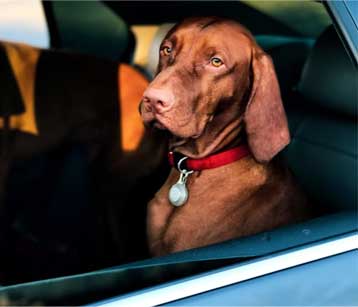
Identifying the Cause of Anxiety
Understanding why your dog experiences anxiety during car rides is critical for effective intervention.
Here are some possible causes:
Previous Negative Experiences:
If your dog has had a bad experience while in the car, such as an accident or a trip to the vet, they may associate car rides with stress.
Motion Sickness:
Just like humans, some dogs can get nauseous while in a moving vehicle.
This can manifest as anxiety, excessive drooling, or messiness.
Lack of Familiarity:
Dogs that are not used to car travel may feel confined or anxious due to the new or restrictive environment.
Localised Separation Anxiety:
Dogs that have difficulty when left alone may also feel anxious in the car if they associate it with potential separation from their owner. Owner in front seat, while the dog is in the back.
Separation Anxiety can even happen when the dog is contained on the front passenger side, while owner is in the driver seat.
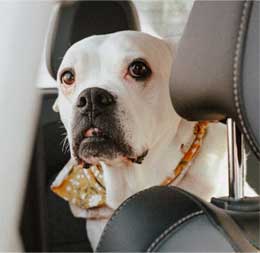
What to Do About Dog Anxiety in the Car
1. Gradual Desensitisation:
Help your dog get used to the car by introducing them to the vehicle in a calm manner.
Start with short trips and gradually increase the duration, rewarding them with treats for calm behavior.
NOTE: don’t reward with treats if your dog appears to calm when aware treats are present.
2. Create a Safe Space:
Designate a comfortable spot for your dog in the car.
Use a crate, seatbelt harness, or blanket that smells like home to make the space feel secure.
You may also want to put a T-shirt that has been worn by owner, under your dog.
3. Utilize Calming Aids:
There are various calming products available, including pheromone sprays, anxiety wraps, and natural supplements.
Consult with your veterinarian before trying any new products if unsure.
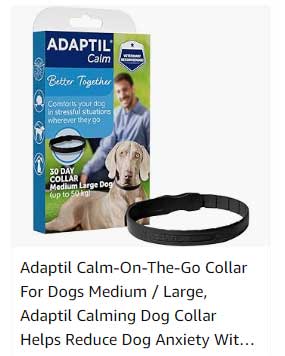
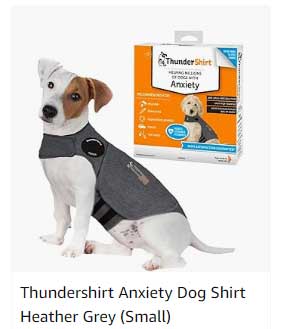
I highly recommend: Adaptil Calming Spray, Adaptil Collar and possibly a Thunder Jacket
Adaptil is scientifically proven to reduce anxiety. During my rehabilitation of dogs, Thunder shirts/jackets are effective in helping with anxiety.
4. Frequent Breaks:
For longer journeys, make sure to take regular breaks.
Allow your dog to stretch, relieve itself, and drink water to reduce stress.
5. Positive Reinforcement:
Encourage calm behavior with treats and praise.
Rewarding your dog when they show signs of relaxation can help them associate car rides with positive experiences.
6. Consult a Professional:
If anxiety persists or worsens, seeking help from a veterinarian or a professional dog behaviourist, as they can provide tailored solutions.
Behavioral therapy may be necessary for more severe cases.
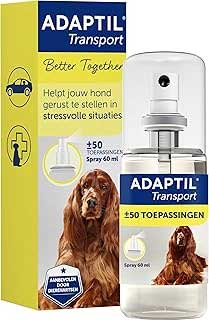 Adaptil Transport Spray for dog anxiety
Not a Quick Fix
Anxiety in the car cannot be fixed quickly.
You will need to be patient and go at your dogs pace.
Over-push and you will turn it negative and push back any progress you made.
Small Steps Starting Point – Identifying
To begin try the below technique, but be patient and watch for positive and negative changes in your dogs behaviour.
- Have treats ready (but hidden from view and smell, and don’t use verbal trigger words in conversation like ‘treats’.
- Find a street or road which is less busy, if possible for working on the technique.
- Begin at your starting point (where you intend to work on the anxiety, to make turn it positive).
- Fasten your dog in as you would when getting ready to set off on the journey. Get in the car as well, and wait, listen for panting and other signs of anxiety – we are trying to identify where the trigger points are.
- First Step: Put your seat belt on. Has the anxiety begun?
- Second Step: Put the key in the ignition and start the engine (make sure the radio doesn’t come on beforehand. Has the anxiety begun?
- Third Step: Turn on the radio. Has the anxiety begun?
- Fourth Step: Rev the engine slightly as though you are about to pull off. Has the anxiety begun?
- Fifth Step: Put the indicator on signaling to pull off. Has the anxiety begun?
- Sixth Step: When safe to do so, pull off and begin driving down the road. Has the anxiety begun?
- Seventh Step: Drive for a short while – 3-10 minutes. Has the anxiety begun?
- Eight Step: When safe to do so, pull over and put your hand break on. Has the anxiety begun?
- Ninth Step: Turn of the engine of the car, making sure radio goes off as well. Has the anxiety begun?
- Tenth Step: Unbuckle your seatbelt, as long as safe to do so. Has the anxiety begun?
- Eleventh Step: When safe to do so, open your car door. Has the anxiety begun?
- Twelfth Step: If safe to do so, step out of your car and approach the door where your dog is. Has the anxiety begun?
- Thirteenth Step: Open the door that leads to your dog. Has the anxiety begun?
Note: You will need to commence the rehabilitation technique at the very beginning of where you identified the anxiety.
You may have to resolve several steps at a time.
Focus on the first and then identify where any other anxiety triggers may be.
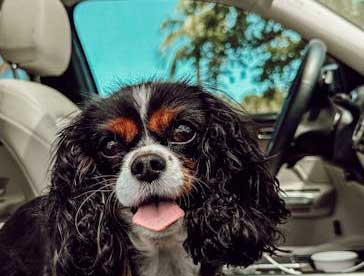
The Technique – Resolving the anxiety
- With treats hidden, and at the point where the anxiety begins. Which could be shaking, stress yawns, excessive licking, panting, etc. Stop, don’t say anything to your dog, or stare at your dog. remain perfectly still. This could take some time, so you have to have plenty of time free and be patient.
- Once you get 5 seconds where your dog has not shown anxiety – give a treat – but don’t say anything, show no emotion, don’t praise.
- Now leave for 1 minute. If during that time the anxiety has returned, then you need to wait for the 5 second window. If it hasn’t, the give a treat. Wait another minute and repeat.
- Over time you will start to notice, slowly and steadily the anxiety for that particular anchor is reducing.
- After a week of reduced anxiety on that trigger, increase the 1 minute wait time to 2 minutes, a week after that make it 3 minutes. You are going to build up to 5 minutes (where no anxiety shown)
- Now recheck if anymore anxiety triggers remain by going through the above list. Then repeat this technique until resolved.
- Do this on all trigger points. Good luck!

Recognising the signs of car-related anxiety in your dog is the first step toward helping them feel more at ease during travel.
By understanding the underlying causes and implementing a combination of gradual acclimatization and positive reinforcement, you can help your furry friend enjoy a more comfortable ride.
With patience and care, both you and your dog can look forward to enjoyable journeys together.
Lee’s Recommendations
- EagouDiary Dog Calming Drops
- Adaptil Anxiety Calming Spray, scientifically proven
- Indybud Car Booster Seat: comfortable and surrounding, ideal to calm an anxious dog.
Dog Anxiety Checklist
Common Signs of Car Anxiety in Dogs
- Excessive panting, drooling, or trembling
- Whining, barking, or howling
- Restlessness or pacing in the vehicle
- Attempts to escape or hide
- Vomiting or having accidents
Possible Causes of Car Anxiety
- Negative past experiences related to car rides
- Motion sickness or nausea
- Lack of exposure to car rides during puppyhood
- Association of car rides with stressful events (like vet visits)
- Sensitivity to motion, sounds, or smells inside the car
Effective Solutions and Tips
- Gradually acclimate your dog to the car with short, positive trips
- Create a comfortable and familiar environment (bring favorite toys or blankets)
- Use dog safety harnesses or crates for security
- Avoid feeding your dog right before travel to minimize nausea
- Consult your veterinarian about anti-anxiety or anti-nausea options if needed
- Use positive reinforcement to reward calm behavior
- Keep the car well-ventilated and take frequent breaks on longer trips
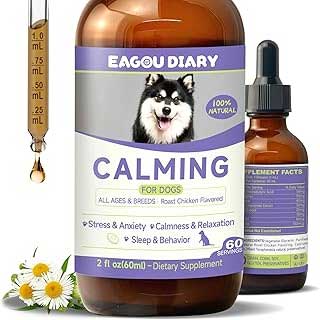 Calming Drops for Anxiety and Stress
Frequently Asked Questions
What are the common signs of dog anxiety in the car?
Signs include whining, drooling, shaking, panting, barking, restlessness, vomiting, or trying to escape.
Why does my dog get anxious in the car?
Anxiety may be caused by motion sickness, negative past experiences, lack of exposure to car rides, or fear of unfamiliar environments.
How can I help my dog feel more comfortable in the car?
Gradual desensitization, positive reinforcement, bringing familiar items, and short practice rides can help your dog adjust.
Are there products that can help with car anxiety?
Yes, options include calming treats, anxiety vests, pheromone sprays, and dog seat belts or crates for security.
Should I talk to my vet about my dog’s car anxiety?
Yes, if anxiety is severe or persistent, your vet can offer advice, rule out medical issues, and may recommend medication.
Is it safe to medicate my dog for car rides?
Only use medications prescribed by your vet.
Never give your dog human medications without veterinary guidance.
Can car anxiety be cured?
Many dogs improve with training and positive experiences, but some may always need extra support.
Consistency and patience are key.
What should I avoid doing if my dog is anxious in the car?
Avoid punishing your dog, forcing them into the car, or leaving them unattended during anxious episodes.