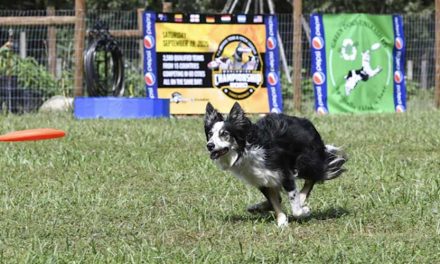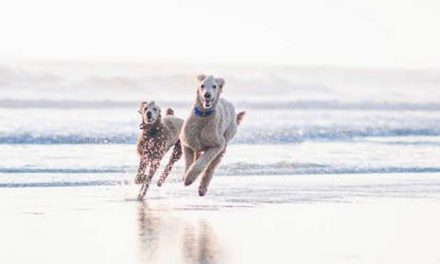

- Dogs need physical exercise to release energy; without walks, they can become restless and frustrated.
- Walks provide mental stimulation from new sights, smells, and sounds; missing out can lead to boredom.
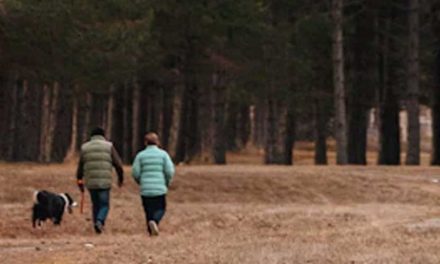
- Dogs are social animals and enjoy interaction during walks, both with their owners and other dogs.
As dog owners, we often wonder about the emotional well-being of our furry friends.
Understanding how our pets feel is crucial to providing them with the care they need.
Do Dogs Get Sad When Not Walked?
One common question is: do dogs get sad when they’re not walked?
The short answer is yes, they can.
However, the reasons behind this sadness can vary widely among individual dogs.
The Importance of Regular Walks
Dogs are naturally active animals, originally bred for tasks that required physical exertion.
Regular walks serve several essential purposes in a dog’s life beyond just exercise.
Lack of exercise may cause dogs to develop behavioral issues like chewing, barking, or restlessness
They provide mental stimulation, social interaction, and opportunities for exploration.
When a dog is deprived of these experiences, it can lead to feelings of sadness or frustration.
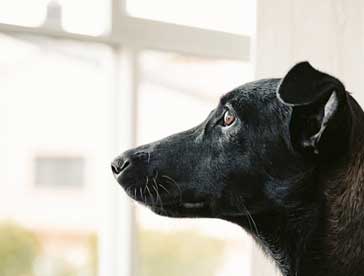
Signs of a Sad Dog
If your dog isn’t getting enough walks, you might notice a few behavioral changes.
Common signs that could indicate your dog is feeling sad or restless include:
1. Destructive Behavior:
Dogs may chew on furniture or engage in other mischievous acts when they’re bored or anxious.
2. Increased Barking:
A lack of physical activity can lead to pent-up energy, resulting in excessive barking as a way for your dog to express their frustration.
3. Withdrawal:
Some dogs might become less interactive or show signs of depression, such as lying around more than usual or a decrease in their enthusiasm for favorite activities.
4. Pacing or Restlessness:
If your dog seems unable to settle down, this could be a sign that they’re full of unspent energy.
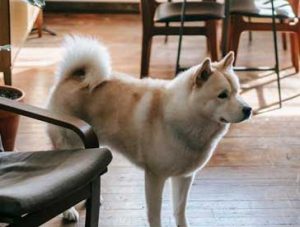
The Bond Between Exercise and Mental Health
Just as exercise is important for human mental health, it plays a vital role in a dog’s emotional well-being.
Dogs are social animals and walks often allow them to interact with other dogs and people, reducing loneliness
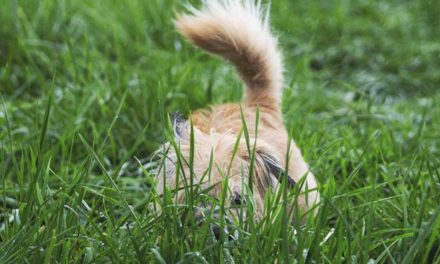
Walking allows dogs to engage with their surroundings, exploring new scents and sights, which can be mentally stimulating.
This mental engagement is crucial; without it, a dog may feel under-stimulated, which can contribute to feelings of sadness or anxiety.
Alternatives to Walking
While regular walks are essential, there may be times when circumstances prevent you from taking your dog out.
In such cases, consider these alternatives to help keep your dog happy and engaged:
1. Playtime at Home:
Engage your dog with interactive toys, games of fetch, or tug-of-war to help burn off some energy.
2. Training Sessions:
Teach your dog new tricks or commands.
This not only provides mental stimulation but also strengthens your bond.
3. Socialization Opportunities:
If possible, let your dog spend time with other dogs, whether at a dog park or through playdates.
4. Doggy Daycare:
If you’re unable to provide walks, consider doggy daycare where your pet can interact with other dogs and receive adequate exercise.

Dogs can feel sad when they’re not walked, primarily because the lack of physical exercise and mental stimulation can lead to frustration and boredom.
As responsible pet owners, it’s essential to recognize these needs and find ways to fulfill them, even when walking isn’t possible.
- Hire a dog walker.
- Consider Doggie day care.
- Ask a friend or family member if they can ask.
- Consider using a service like Borrow My Doggy?
Remember, a happy dog is a well-exercised dog, and investing time in their well-being will lead to a happier, healthier life together.
Lee’s Recommendations
- Dog Treadmill: Ideal for medium/large dog owners who don’t have the time to venture outside.
- Dog Treadmill: Perfect for small/medium dogs.
- All For Paws automatic dog ball launcher: Pretty good for the back garden.
Frequently Asked Questions
Do dogs feel sad if they miss their daily walk?
Yes, many dogs can feel sad or disappointed if they consistently miss their daily walks.
Walks not only provide physical exercise but also mental stimulation and opportunities for social interaction.
How can I tell if my dog is sad from not being walked?
Signs can include lethargy, lack of interest in play, whining, pacing, destructive behavior, or unusual clinginess. Some dogs may also seem bored or restless.
Is it harmful to skip a walk occasionally?
Missing an occasional walk generally won’t harm your dog, especially if they get other forms of exercise or mental stimulation.
However, frequent missed walks can affect your dog’s mood and health.
What are alternative ways to keep my dog happy if I can’t walk them?
Try playing interactive games, providing puzzle toys, practicing obedience training, or setting up indoor play sessions.
These activities offer stimulation and help prevent boredom.
Can lack of walks lead to behavioral problems?
Yes, regular walks help burn off energy and reduce stress.
Without this outlet, dogs may develop unwanted behaviors like chewing, barking, or digging out of frustration or boredom.
Does the dog’s breed affect their need for walks?
Absolutely. High-energy breeds typically require more exercise and are more likely to get upset if they don’t get walked.
However, all dogs benefit from walks, regardless of breed.
What should I do if my dog seems sad after missing walks?
Try to provide extra attention, playtime, or enrichment activities.
If sadness persists or is accompanied by other symptoms, consult your veterinarian to rule out health issues.
Quick Facts
- Dogs rely on regular walks for both physical exercise and mental stimulation.
- Walks provide opportunities for dogs to explore new scents and environments, which is important for their happiness.
- Missing walks can lead to pent-up energy, making dogs frustrated or anxious.
- Consistent routines, including walks, help dogs feel secure and content.
- Signs of sadness in dogs may include lethargy, loss of interest in play, or changes in eating habits.
Related Topics
- If You are Unable to Walk Your Dog: Informative and helpful article,
- Impact of Leaving a Dog Alone at Home: Helpful advice and understanding article.
- Best Ways to Exercise Your Dog: Very informative with several valued suggestions.
- Indoor Exercise Ideas: Wonderful suggestions for you and your dog to partake.
References
- Mental Stimulation for Dogs: Petplan
- How to Keep Your Dog’s Mind Sharp: American Kennel Club