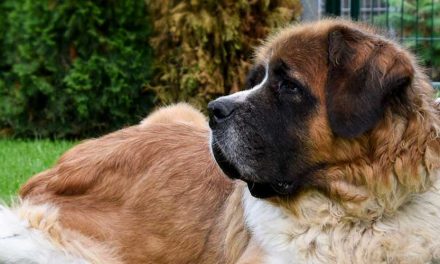

Joint problems in dogs can be a significant concern for pet owners, especially for certain breeds more prone to orthopedic issues.
Understanding these conditions, their causes, and management strategies is crucial for maintaining your dog’s quality of life.
Common Joint Problems in Dogs
The most prevalent joint issues that affect dogs include:
1. Hip Dysplasia:
A hereditary condition where the hip joint does not fit snugly into the hip socket.
This can lead to arthritis and significant pain over time.
2. Elbow Dysplasia:
Similar to hip dysplasia, this condition affects the joints in the front legs.
It’s often caused by a malformation of the elbow joint, leading to arthritis and lameness.
3. Patellar Luxation:
This condition involves the dislocation of the kneecap.
It is common in smaller breeds and can lead to pain and mobility issues.
4. Osteoarthritis (Degenerative Joint Disease):
This is a progressive condition where the cartilage that cushions the joints wears down over time, leading to pain and stiffness.
5. Torn Cruciate Ligament:
Injury to the ligaments in the knees can cause joint instability and pain, frequently observed in active breeds.
Breeds Prone to Joint Problems
Certain breeds are more susceptible to joint issues due to genetic factors, size, and body structure.
Here are a few breeds notable for having higher incidences of joint problems:
Labrador Retriever:
Known for their athleticism, Labradors often face hip and elbow dysplasia.
Regular exercise and weight management can help reduce the risk.
German Shepherd:
These dogs commonly suffer from hip dysplasia and degenerative myelopathy.
Proper breeding practices can mitigate some risks.
Golden Retriever:
Similar to Labradors, Goldens are prone to hip dysplasia and can develop arthritis as they age.
Early screenings can help in prevention.
Bulldogs:
Brachycephalic breeds, including Bulldogs, are prone to joint problems due to their unique body structure, leading to issues like patellar luxation.
Pugs:
Known for their compact size and playful demeanor, Pugs may also experience patellar luxation and hip dysplasia.
Rottweilers:
This strong breed can develop hip and elbow dysplasia, particularly if they are over-exercised or not adequately conditioned from a young age.
Prevention and Management
While some joint problems are hereditary, there are several strategies pet owners can employ to help minimize risks:
Regular Vet Check-Ups:
Early detection is key. Regular veterinary check-ups can catch potential issues before they become severe.
Weight Management:
Maintaining a healthy weight is critical.
Excess weight puts undue strain on joints, exacerbating existing conditions or contributing to new ones.
Proper Nutrition:
A balanced diet rich in omega fatty acids, glucosamine, and chondroitin can support joint health.
Consult your veterinarian for dietary recommendations.
Controlled Exercise:
Ensuring that your dog engages in appropriate exercise helps maintain joint health.
However, high-impact activities should be avoided, especially for puppies and senior dogs.
Supplements:
Joint supplements can provide extra support for dogs prone to orthopedic issues.
Again, consult your vet before beginning any supplementation.
Physical Therapy:
For dogs already experiencing joint pain, physical therapy can be beneficial.
Techniques like hydrotherapy and massage can improve mobility and reduce pain.
Conclusion
Joint problems can deeply affect a dog’s quality of life, particularly in breeds predisposed to these issues.
Being proactive in monitoring, managing weight, and ensuring proper exercise can make a significant difference in your dog’s joint health.
With attention and care, many dogs can live active, comfortable lives despite their genetic predispositions.
If you suspect your dog is experiencing joint issues, don’t hesitate to consult your veterinarian for guidance.